Style without overspending
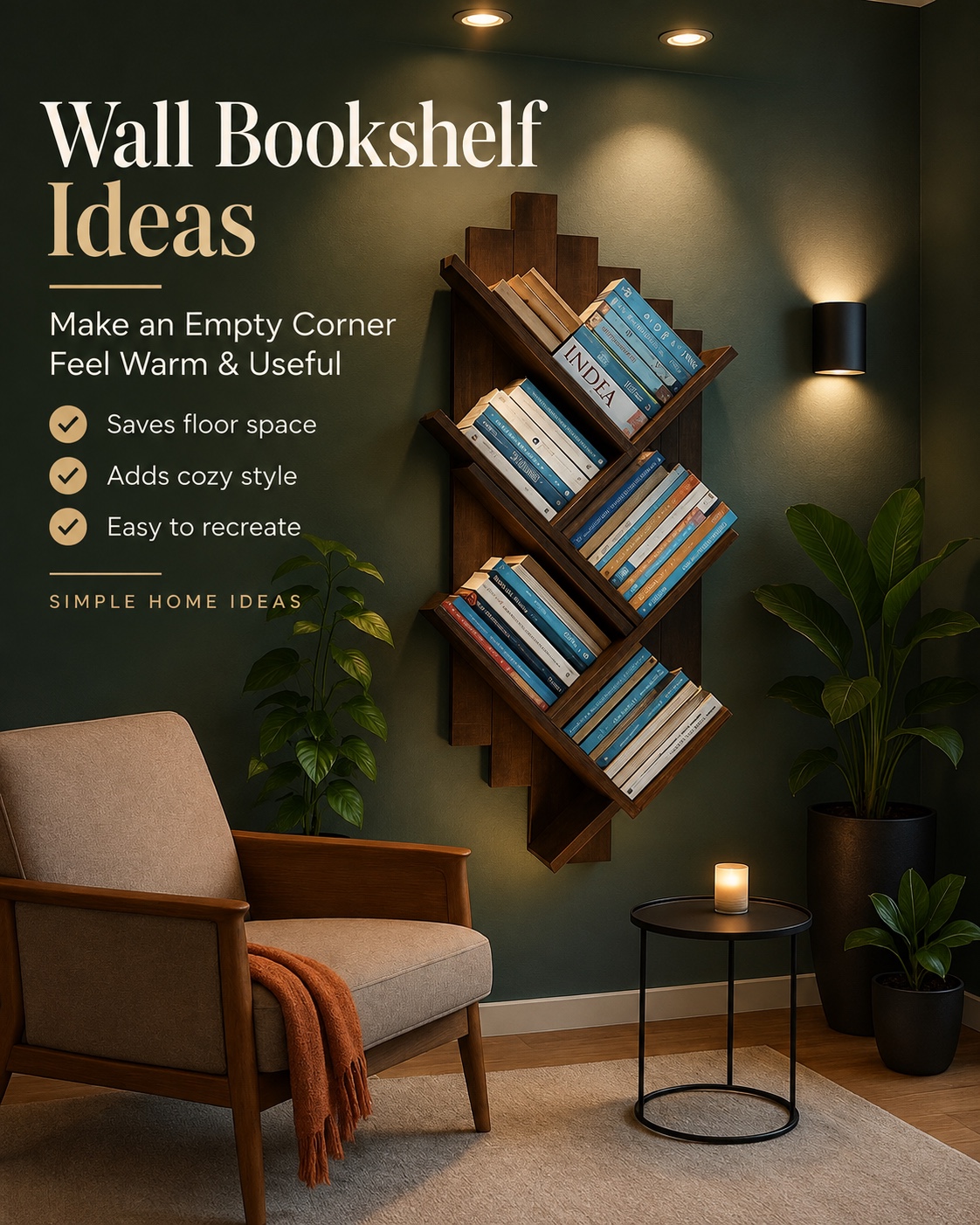
Wall Bookshelf Ideas That Make an Empty Corner Feel Warm and Useful
Use a wall bookshelf, warm lighting, plants, and a simple chair setup to turn an empty corner into a cozy, useful space without losing floor area.
A wall bookshelf can make an empty corner feel useful without taking over the floor. The key is treating the shelf as part of a complete corner: one comfortable chair, warm lighting, a small side table, and just enough greenery to soften the wall. The mistake is adding shelves first and hoping the corner will become cozy later. A better setup starts with how the space will be used, then adds storage and styling with control.
Plan the shelf around the books you actually own
Planning examples below are illustrative, not product tests or current price quotes.
Make a full-size paper layout
Measure your tallest and deepest books, including any covers that project beyond the pages. Tape paper rectangles to the wall to represent each shelf, then mark the space the books need above it. Stand at the doorway and sit in the nearby chair: a layout that looks balanced from the front can still crowd your head or block a lamp from the side. Check the usable shelf depth rather than the overall product depth, which may include a back panel.
Worked example: a narrow reading nook
Suppose the clear wall is 36 inches wide and the proposed shelf is 30 inches wide. Centering it leaves 3 inches on each side. That is a layout calculation, not an installation clearance. If your tallest book is 11 inches, a 12-inch opening leaves only 1 inch to grasp it; test that with the actual book before choosing fixed shelves. Include brackets and shelf thickness when marking the next level.
Match the mounting system to the load
A shelf of hardbacks is a different load from a few framed prints. Weigh a representative stack and compare the planned total with the manufacturer's limit for the complete shelf, brackets, fasteners, and specified wall construction. Do not assume a rating for masonry applies to drywall. Check for concealed services before drilling and use qualified help if the wall or fixing method is uncertain. Adhesive decorative ledges are not a substitute for a book-rated system.
Choose between three layouts
For a desk corner, put frequently used books within comfortable reach and leave the work surface clear. For a reading chair, position the lowest shelf outside the space occupied by your head and shoulders. For a rental where drilling is not permitted, consider a freestanding unit only if it can be installed with the anti-tip protection its manufacturer requires. A shorter unit does not automatically eliminate the need for anchoring.
Start with the chair, not the shelf
The chair decides whether the corner will actually be used. Choose a seat that supports your back, leaves enough room to walk around it, and fits the scale of the wall. A compact armchair, lounge chair, or small upholstered chair usually works better than an oversized piece that makes the corner feel blocked.
Use a wall shelf only when it solves a real problem
A wall shelf can hold current books, a small plant, a candle, or one decorative object, but it should not become open storage for everything. Keep the shelf shallow enough for the wall and low enough to reach safely from the chair or side table.
Add warm task lighting beside the seat
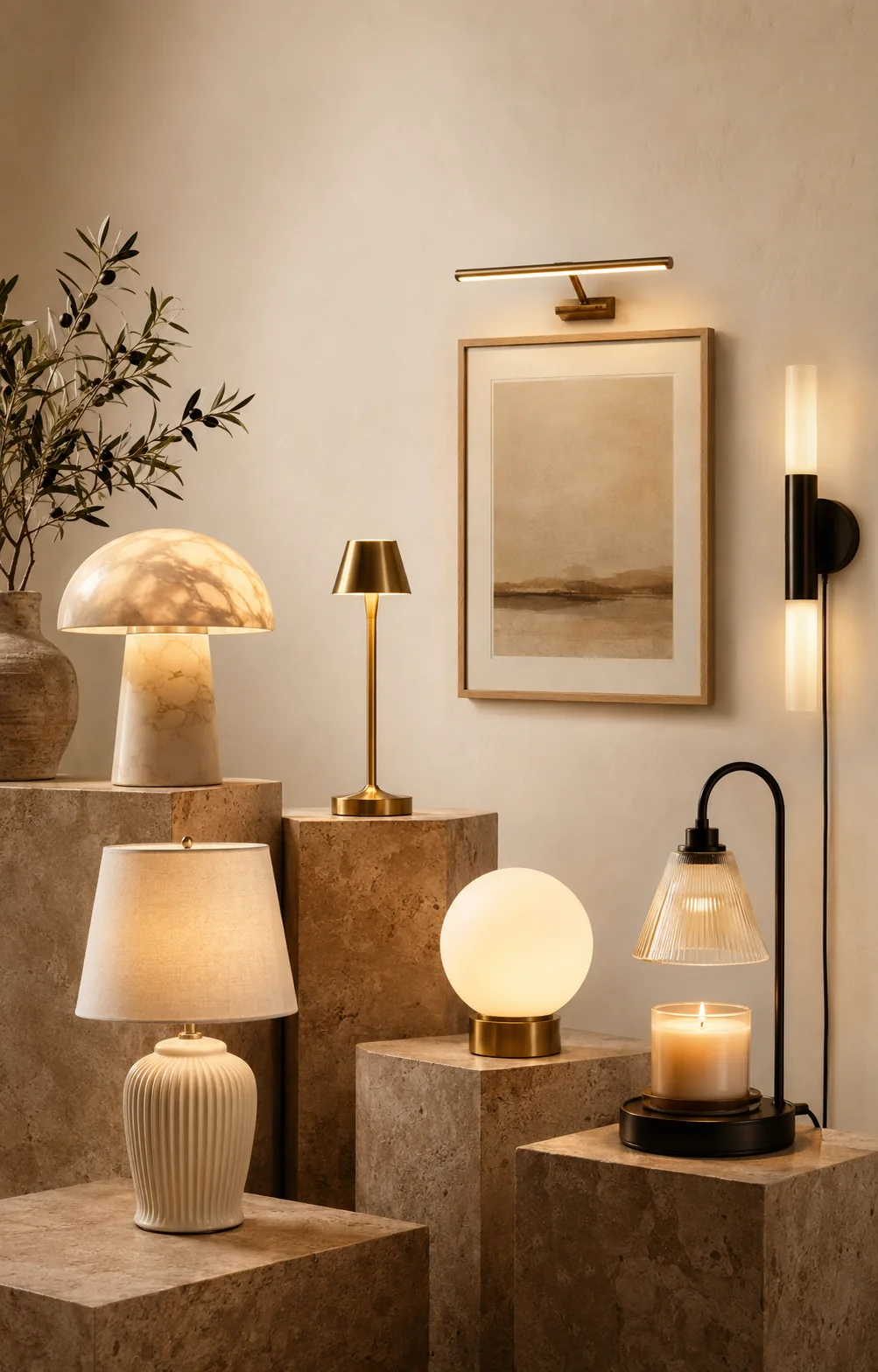
A reading corner needs light close to the book, not just a ceiling fixture. A floor lamp, plug-in wall sconce, picture light, or small table lamp can create a focused glow without lighting the whole room. Keep the bulb warm and soft so the corner feels cozy rather than harsh.
Keep the book display edited
Books make a reading corner feel personal, but too many visible books can make a small wall look heavy. Display the current stack, a few favorites, or books with related colors. Store overflow elsewhere so the shelf stays styled and easy to dust.
Bring in one plant for softness
A plant softens the hard lines of shelves, books, and wall lights. Use one taller plant on the floor or one smaller plant on the shelf, not both if the corner is narrow. Olive branches, pothos, rubber plant, and simple faux greenery all work when the scale feels calm.
Use a side table for the daily items
A reading corner needs a place for a cup, glasses, a phone, and the book you are using now. A small round table, nesting table, stool, or narrow C-table is often enough. The goal is to stop daily items from spreading across the shelf.
Layer texture instead of adding more objects
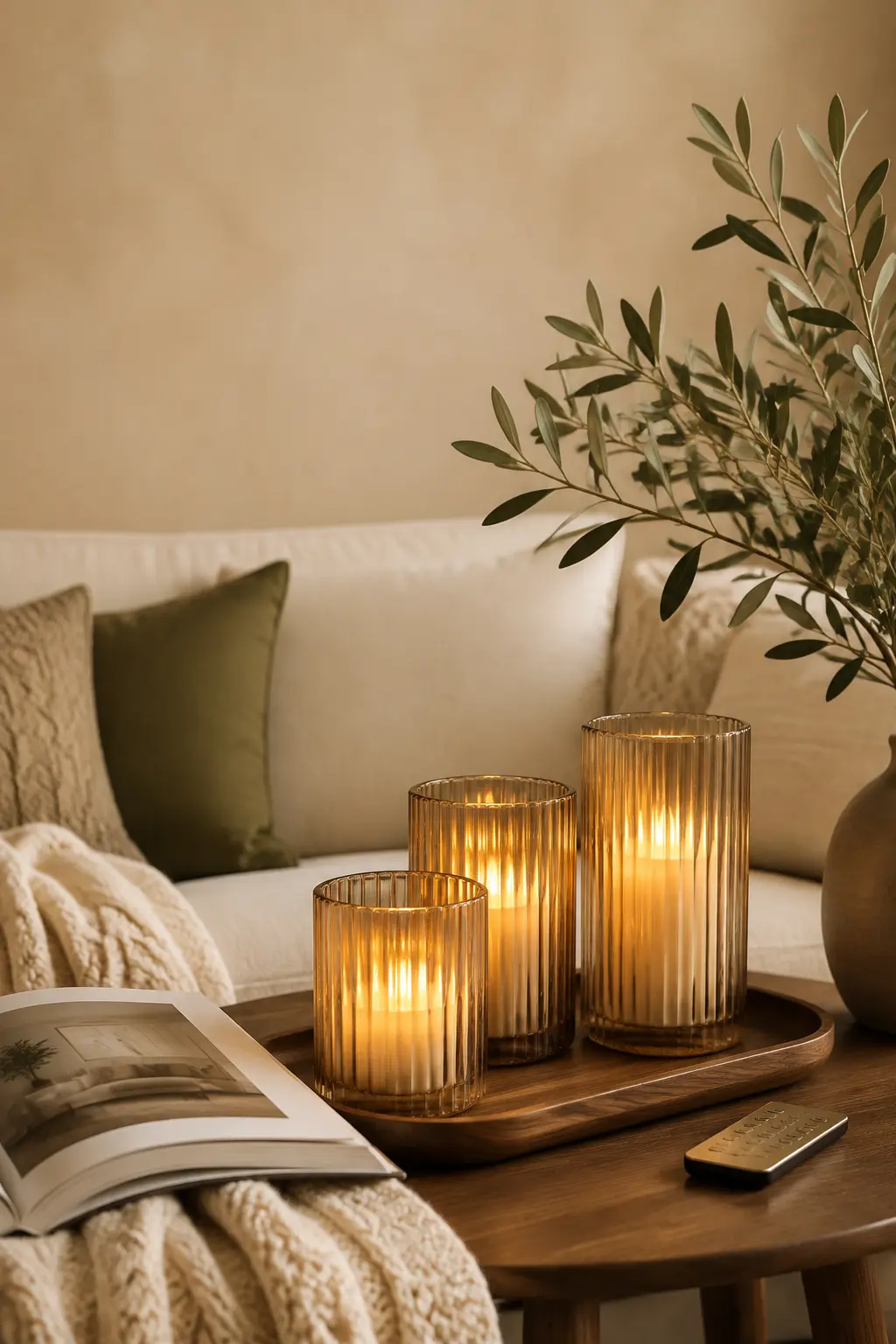
A throw blanket, textured pillow, woven rug, or warm wood surface can make the corner feel finished without crowding it. Choose two or three textures and repeat them lightly. This gives the corner a magazine feel while keeping it easy to reset.
Make the corner easy to reset
The best reading corner survives everyday life. Keep one basket for blankets or magazines, return books to the shelf weekly, and leave part of the wall empty. Empty space is what makes the corner look calm instead of crowded.
The takeaway
Keep the change easy to live with.
A strong reading corner is built from a simple product group: a comfortable chair, a useful wall shelf, warm task lighting, one side table, and one soft styling layer. Keep the shelf edited, the light warm, and the walkway clear so the corner feels useful every day.
Keep the guide close
Save all 8 ideas for your next home reset.
Keep this visual guide nearby and return when you are ready to make one simple, useful change at a time.
Save on Pinterest