Make every inch count
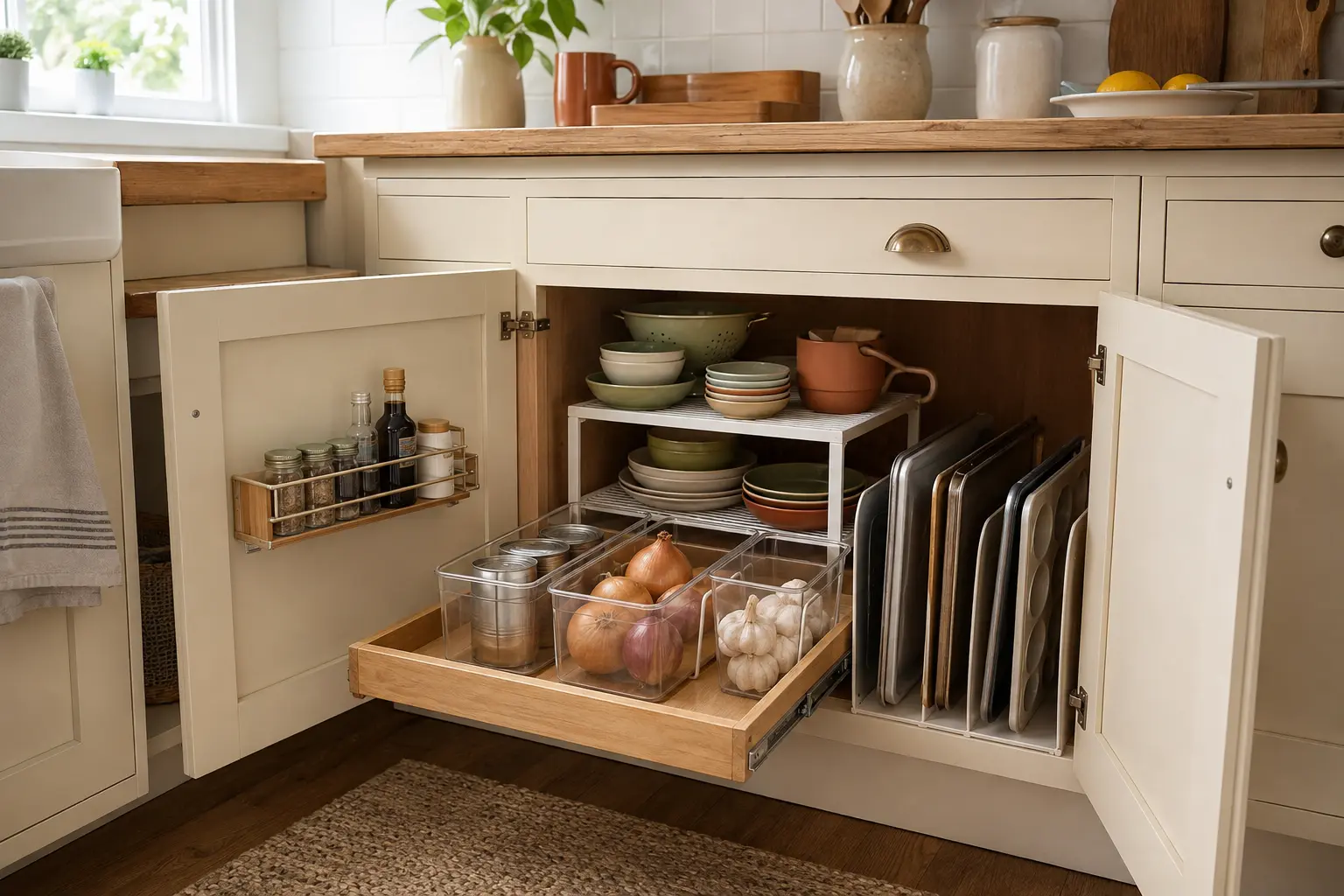
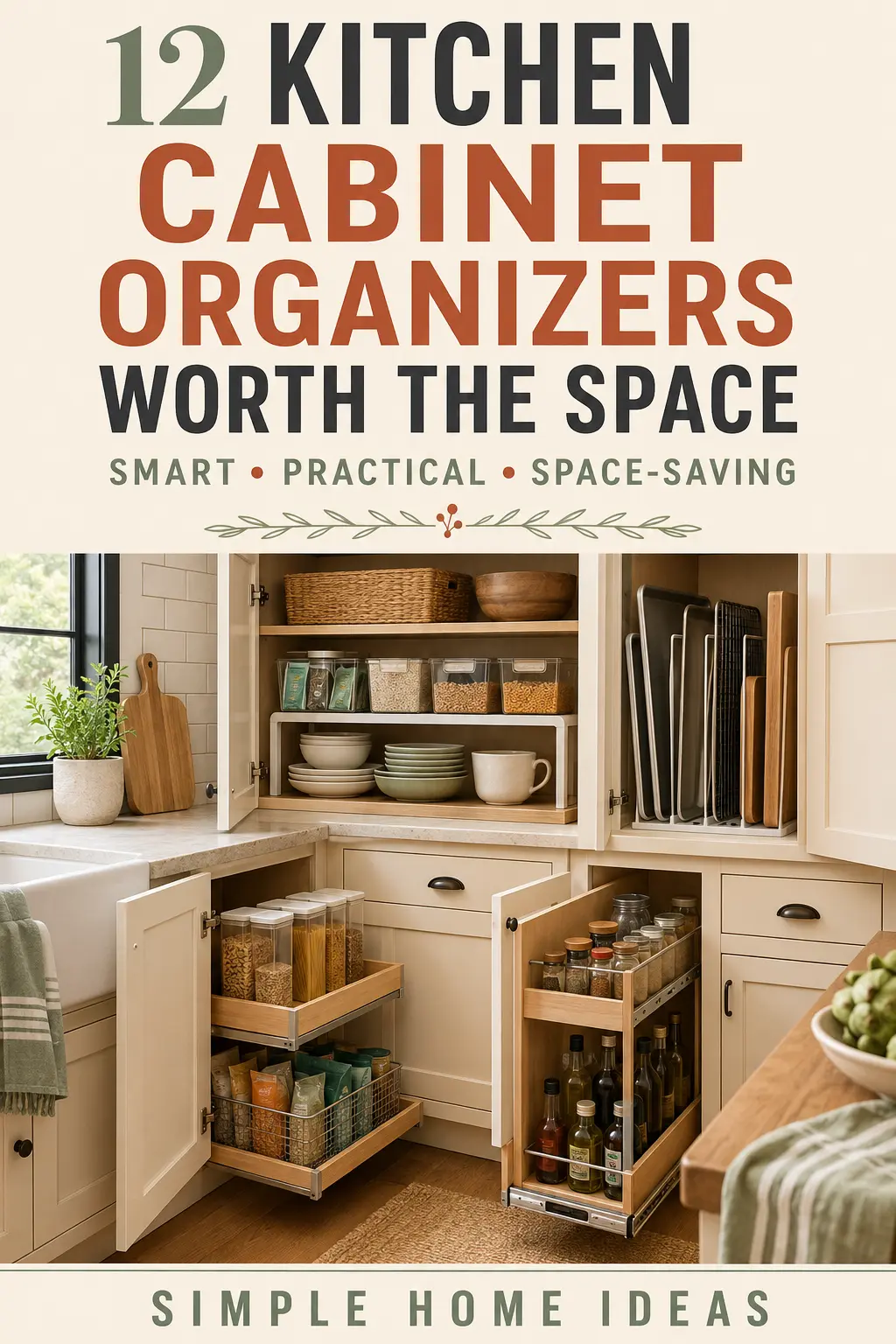
12 Kitchen Cabinet Organizers Worth the Space
The cabinet organizers that earn their footprint by making everyday items easier to see, reach, and return.
A useful cabinet organizer should solve a specific frustration: items disappearing at the back, pans becoming a heavy stack, or small packets spreading across a shelf. The right organizer creates access without stealing more space than it saves. Before buying anything, empty one problem cabinet, measure it carefully, and choose the smallest system that fixes the way you actually use it.
Before you buy
Quick decision helper
Choose the organizer that fixes the cabinet's access problem, not the one that looks most complete online.
| If the problem is | Start with | Wait on |
|---|---|---|
| Small jars and cans disappear at the back. | A shelf riser or clear handled bin. | Deep pull-outs if the shelf is already shallow. |
| Pans become a heavy stack. | A vertical divider with enough door clearance. | Rigid racks that cannot fit your widest pan. |
| Corner items are hard to reach. | A small turntable that can spin when full. | Oversized lazy Susans that hit the cabinet sides. |
Buying notes
Before a product earns space in your home
Use these checks to avoid buying a piece that looks good in a photo but fails in daily life.
Measure the exact space
Check materials and cleaning
Match finish and light tone
Keep access and walkways clear
Use this guide to compare: Cabinet shelf riser · Vertical tray divider · Pull-out cabinet shelf · Lazy Susan turntable · Clear handled bins · Cabinet door rack
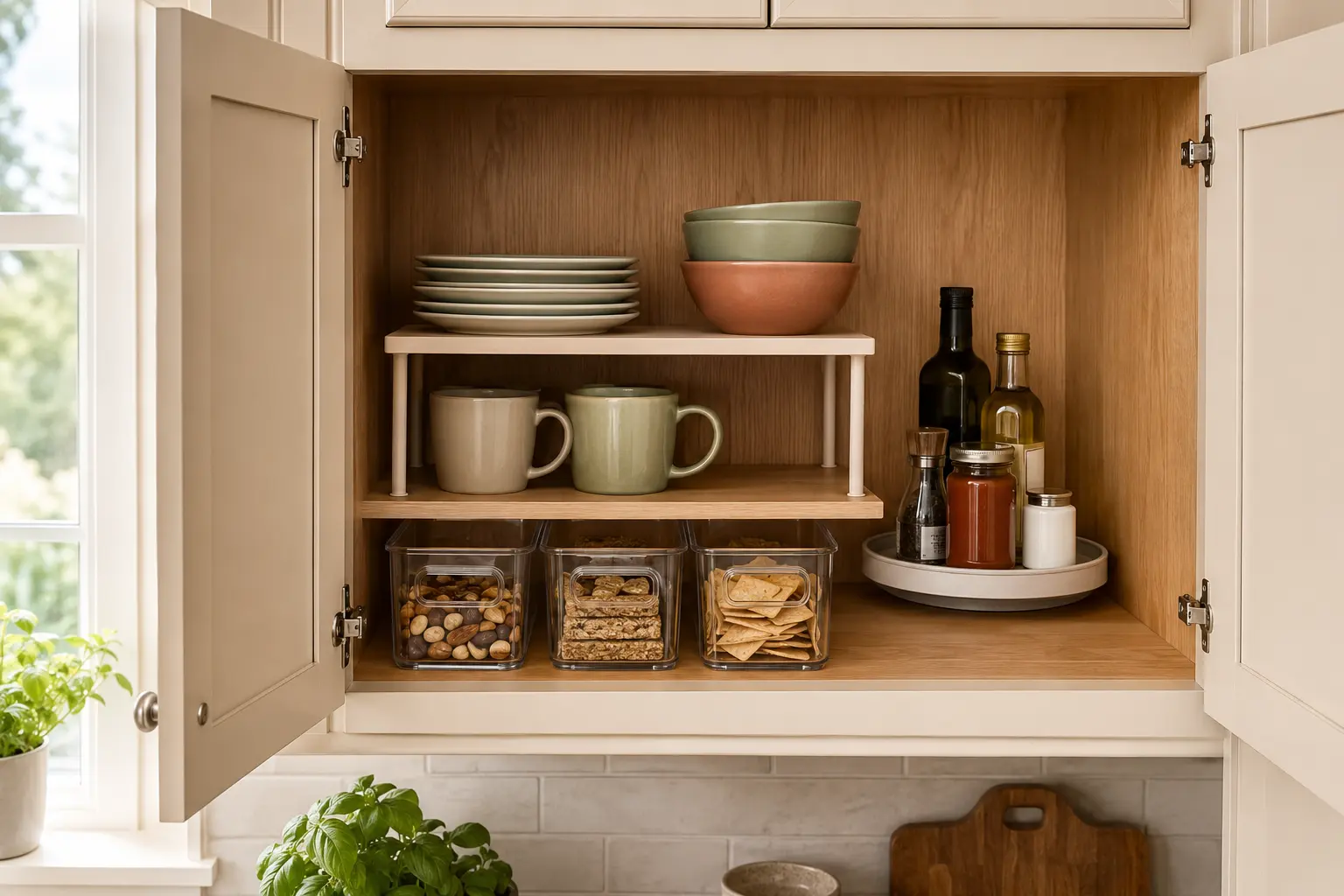
Add a shelf riser where height is being wasted
A shelf riser turns the empty air above short plates, bowls, mugs, and cans into a usable second level. It works best when both rows remain visible and you can remove an item without lifting the organizer.
Use vertical dividers for trays, boards, and lids
Vertical dividers stop baking sheets, cutting boards, serving trays, and pot lids from becoming one heavy horizontal pile. Fixed dividers are stable, while adjustable versions are easier to adapt when your collection changes.
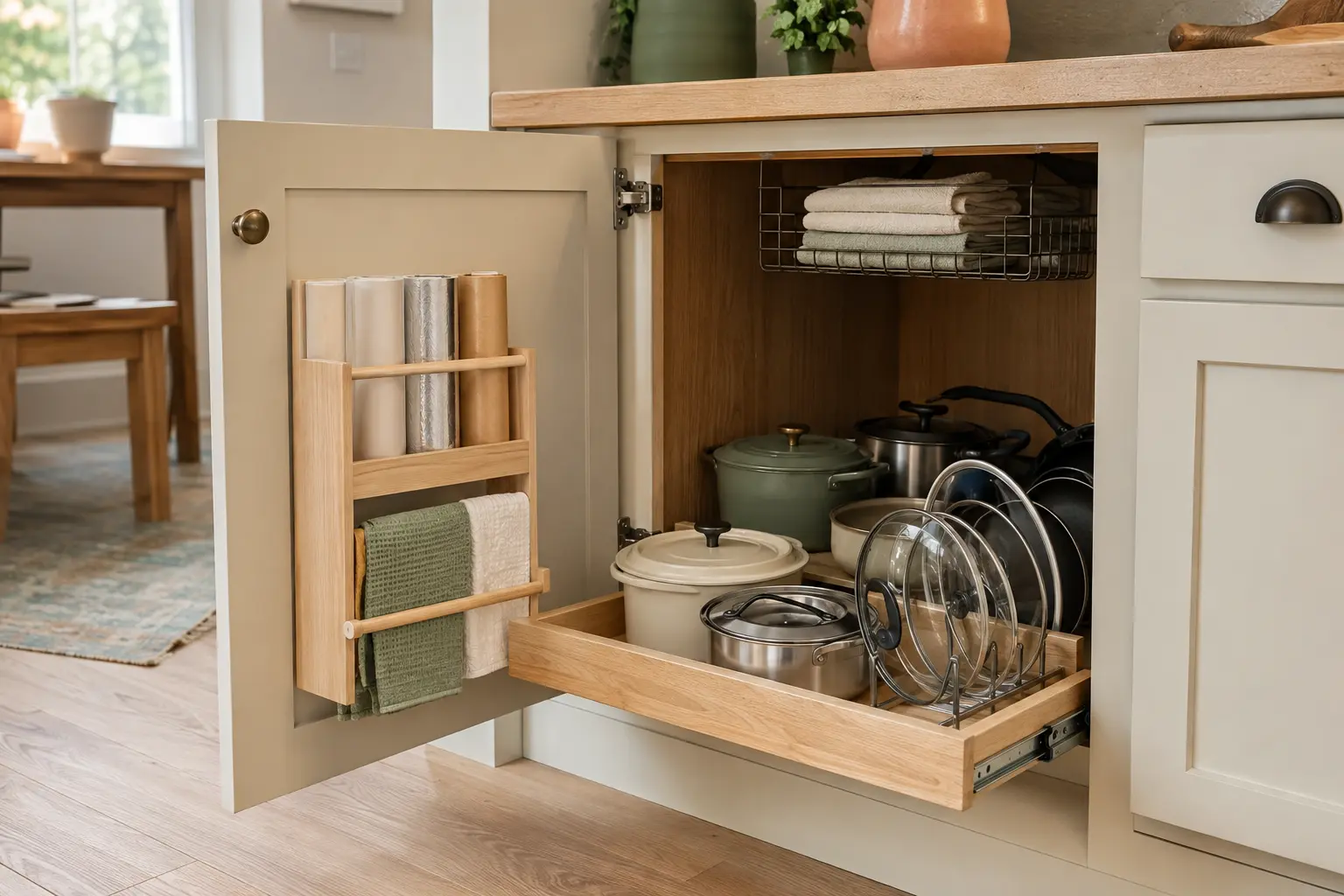
Choose a pull-out shelf for deep lower cabinets
A full-extension pull-out brings heavy pots and appliances forward so you are not kneeling and unloading the cabinet to reach the back. Check the load rating, internal width, and hinge clearance before choosing a model.
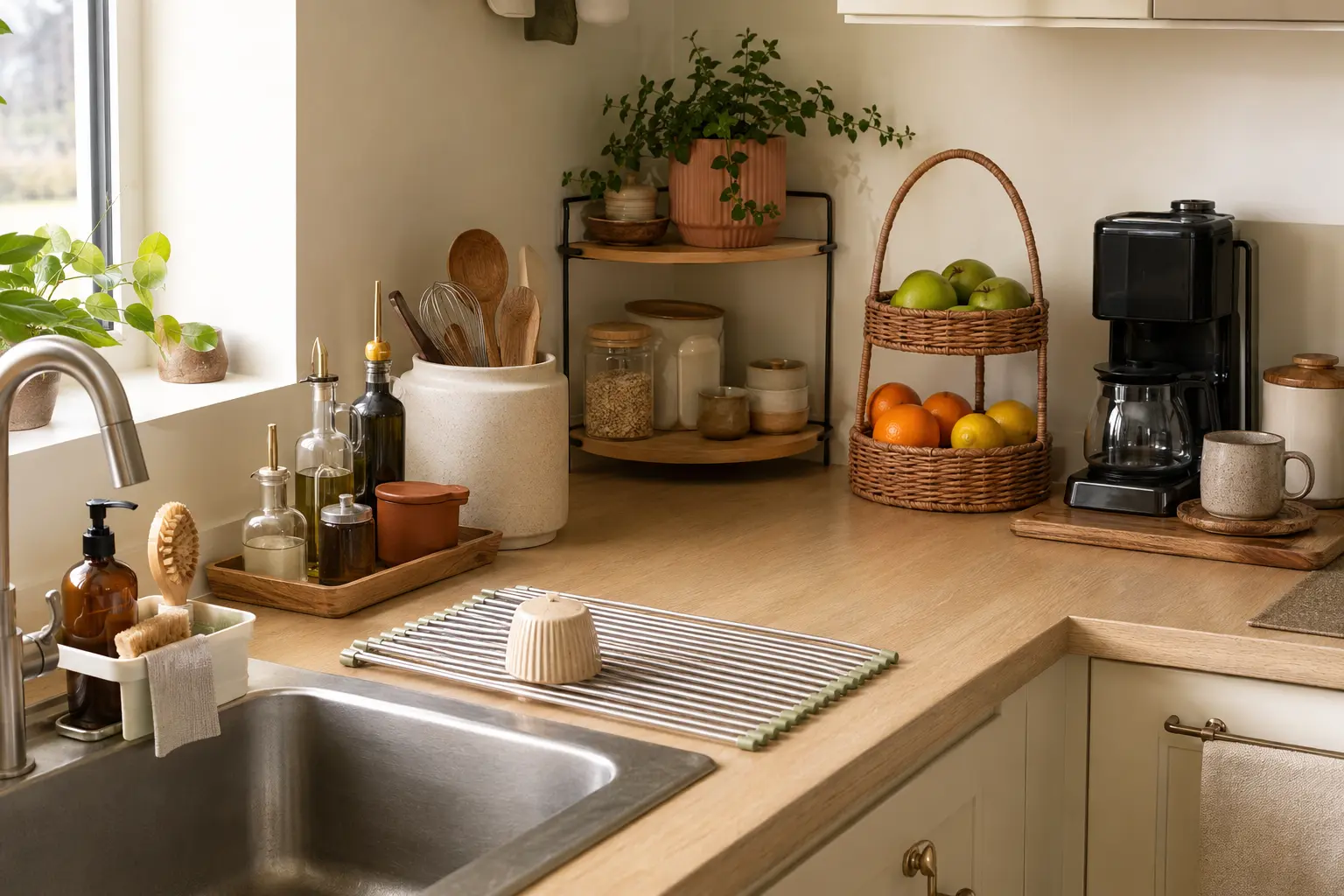
Put a turntable in awkward corners
A turntable works well for oils, sauces, jars, or baking supplies in a corner that is difficult to see. Choose one with a raised edge and avoid loading it with tall unstable bottles that can tip as it turns.
Group loose packets in clear handled bins
Handled bins keep snack packets, baking ingredients, or small breakfast items together and let you pull the whole category forward. Clear sides make quantities visible, but the bin should slide easily without scraping the cabinet frame.
Use a shallow rack on the cabinet door
The inside of a door can hold spices, wraps, cleaning cloths, or slim cutting boards. The organizer must be shallow enough to clear the shelves and positioned away from hinges and handles.
Add an under-shelf basket for lightweight items
An under-shelf basket can use the gap beneath a tall shelf for cloths, food-storage lids, or lightweight wraps. It is less suitable for heavy dishes because weight can make the shelf flex or the basket difficult to slide.
Separate drawers according to the tools you own
Adjustable drawer dividers are more flexible than a fixed cutlery tray when you have cooking tools in different lengths. Leave a little free space so utensils can be lifted out without catching on the divider.
Give pans and lids separate slots
A pan rack or adjustable lid holder prevents cookware from becoming a noisy stack. Store the heaviest pieces low, place frequently used pans closest to the opening, and avoid narrow slots that can scratch delicate finishes.
Use a tension rod only when it improves access
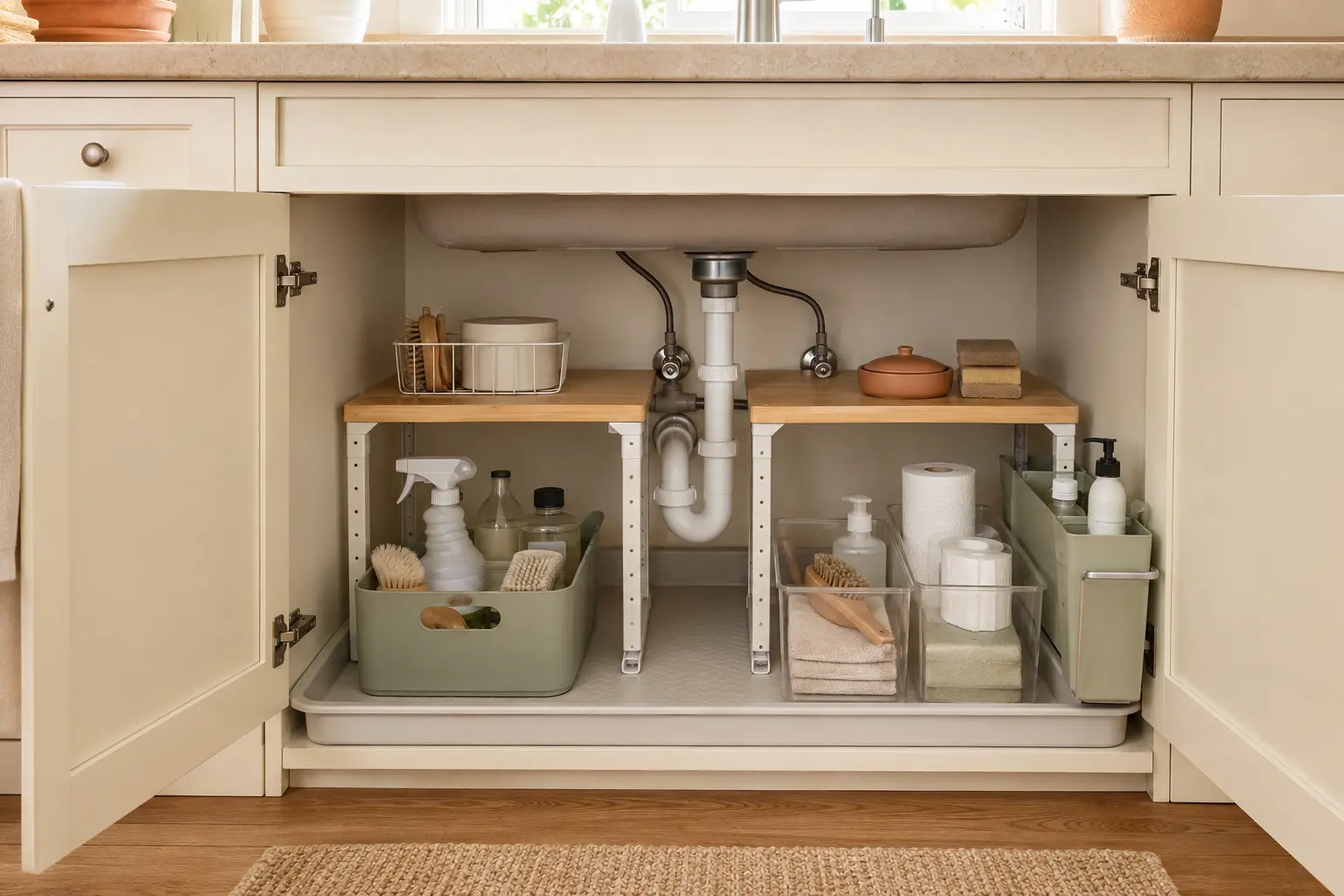
A short tension rod can suspend spray bottles inside a cleaning cabinet and leave the base free for a bin. It needs solid side walls, reliable tension, and enough clearance for the door and plumbing.
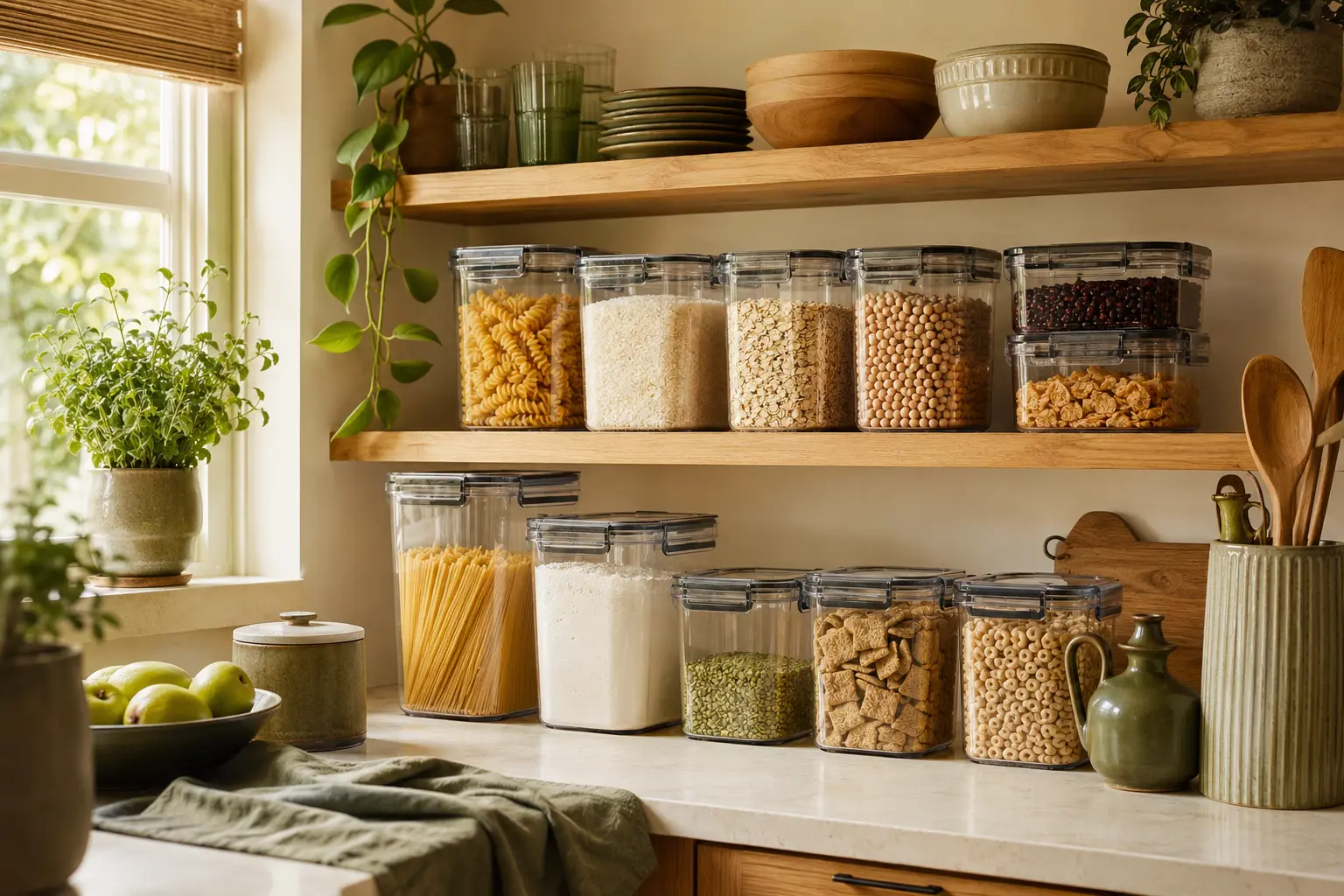
Choose stackable containers with straight sides
For pantry staples you buy repeatedly, straight-sided stackable containers waste less shelf width than heavily tapered shapes. Decant only foods that benefit from visibility and keep cooking instructions or expiry information when needed.
Measure the usable opening, not just the cabinet box
Hinges, face frames, pipes, shelf supports, and door hardware can reduce the space an organizer can actually use. Record the opening width, internal depth, available height, and any obstacle before ordering, then leave a small installation margin.
The takeaway
Keep the change easy to live with.
The best cabinet organizer is not the one that holds the most; it is the one that removes a repeated daily frustration. Start with one cabinet, measure the true usable opening, and add only the organizer that makes access noticeably easier.
Helpful answers
Questions readers often ask
Are pull-out cabinet organizers always worth it?
They help in deep cabinets when the full sliding path clears hinges, pipes, and doors. A handled bin may be simpler in a shallow cabinet.
What should I measure inside a cabinet?
Measure the usable opening, hinge clearance, shelf depth, tallest item, and the space needed to remove the organizer when full.
Keep the guide close
Save all 12 ideas for your next home reset.
Keep this visual guide nearby and return when you are ready to make one simple, useful change at a time.
Save on Pinterest